
Best time of year to install air conditioning in 2026
The best time of year to install air conditioning is autumn for planned cooling jobs. Compare seasons, check quote inclusions and choose your tradie.

Best overall: autumn for a planned cooling installation. Best before summer: spring. Best for an urgent cooling need: summer, without waiting for another season. The best time of year to install air conditioning in 2026 depends on when you need it working, your local climate and the work your home needs.
TL;DR- Autumn is the best time of year to install air conditioning for planned cooling jobs, not urgent replacements.
- Spring suits pre-summer installation; winter suits homes that need reverse-cycle heating now.
- QuickQuote matches air conditioning jobs with up to three local tradies; you choose who to hire.
- Compare the same installation scope, not a seasonal savings claim.
Why this matters
Choose the season around your comfort deadline, not a promise of a cheaper installation. A working system you want to replace gives you room to plan. A failed system during weather you cannot comfortably manage calls for a different decision.
QuickQuote is an air conditioning quote-matching marketplace, not the contractor doing the installation. You can post your job through QuickQuote for free, receive quotes from up to three local tradies, and choose who to hire. There is no connection fee.
For your 2026 project, settle the job description before comparing dates. A quote for one room is not comparable with a whole-home proposal, and a simple replacement is not the same job as moving equipment to another wall.
What makes the best installation season?
Use these checks before picking a month:
- Comfort deadline: Decide when cooling or heating must be working. An urgent need takes priority over a preferred season.
- Local climate: Choose around conditions where you live. A southern cooling calendar is not a national rule.
- System condition: Separate a planned upgrade from a breakdown. Do not assume an unreliable unit will last until your preferred date.
- Installation scope: Resolve equipment locations, pipe routes, drainage and electrical work before accepting a quote.
- Household access: Choose dates when the tradie can access the work areas and you can manage installation disruption.
- Comparable quotes: Give each tradie the same brief. A calendar preference does not make different scopes comparable.
The Australian Bureau of Meteorology describes the familiar four-season calendar used in temperate Australia, while also explaining that northern Australia has wet and dry seasons. That distinction matters more than a nationwide claim that one month suits every home.
Installation seasons at a glance
The ranking below is for a homeowner planning a cooling installation, with no immediate breakdown. Each calendar season covers 3 months; the months describe the conventional Australian calendar, not identical conditions across the country.
| Rank and season | Best for | Main advantage | Key limitation |
|---|---|---|---|
| 1. Autumn: March–May | Planned cooling replacement | Separates the cooling project from the next summer deadline | Does not solve an immediate heating or cooling need |
| 2. Spring: September–November | Preparing for the approaching summer | Keeps the job focused on the next cooling season | Leaves less calendar time before December than autumn |
| 3. Winter: June–August | Installing reverse-cycle heating you need now | Addresses heating and future cooling in one project | Waiting until winter makes no sense if cooling is already urgent |
| 4. Summer: December–February | Replacing failed cooling or meeting an immediate need | Deals with the problem when it matters | Gives you less freedom to postpone the decision |
These are planning advantages, not evidence of seasonal discounts or faster bookings. Ask each tradie about the proposed work and dates rather than treating the season as a guarantee.
1. Autumn: best for a planned cooling replacement
Autumn is the default choice when your current cooling still works and your goal is to prepare for the following summer. It puts the decision earlier in the calendar, giving you room to resolve the scope before cooling becomes your deadline.
For an autumn 2026 project, start with what did not work well during summer. Name the rooms that stayed uncomfortable, describe how you use them and explain whether you want a replacement or a different arrangement. Let the installer assess the required system rather than selecting capacity from floor area alone.
Autumn pros:
- Places a planned cooling job before the next summer.
- Lets you describe problems noticed during the preceding warm season.
- Separates your preferred completion date from an immediate breakdown.
Autumn cons:
- Is the wrong reason to delay essential heating or cooling.
- Does not guarantee a lower quote or a particular booking date.
Best for: Homeowners replacing working cooling equipment or planning a new cooling installation without urgency.
Ask whether the existing equipment needs assessment before deciding on replacement. Age alone does not describe the fault, the condition of the installation or whether your needs have changed.
Verdict: Buy in autumn when the scope is clear and the job is planned; do not replace a suitable working system just because the calendar says autumn.
2. Spring: best for getting ready before summer
Spring suits homeowners who want installation completed before the approaching summer. It is a practical decision point when you have already chosen the rooms to serve and can give tradies a clear brief.
For spring 2026, write a preferred completion date rather than asking vaguely for installation “before it gets hot”. Confirm the proposed date with the chosen tradie before relying on it. Posting a job is not confirmation of an installation appointment.
Spring pros:
- Aligns the project with the next cooling season.
- Provides a clear reason to finalise room coverage and equipment positions.
- Suits a defined job that is ready for assessment and quoting.
Spring cons:
- Gives you less calendar time before summer than autumn.
- Does not remove the need to check permissions, access or electrical requirements.
Best for: Homeowners preparing for summer who have not arranged installation earlier in the year.
Avoid rushing the scope simply to secure a date. If one quote excludes electrical work and another includes it, resolve that difference before choosing. The guide to air conditioning installation extras explains which inclusions to check.
Verdict: Buy in spring when your cooling deadline is approaching and the written quote covers the whole agreed job.
3. Winter: best for a current reverse-cycle heating need
Winter is the right time to act when you need reverse-cycle heating now. A reverse-cycle air conditioner provides heating as well as cooling, so an installation decision does not have to revolve around summer.
For winter 2026, describe the heating problem first. Explain which rooms you use, when you use them and whether the proposed system also needs to cool those spaces in summer. Ask the installer to assess both uses.
Winter pros:
- Addresses a current heating requirement.
- Brings heating and cooling needs into the same assessment.
- Allows a cooling project to be completed before the following summer.
Winter cons:
- Is not a reason to postpone an urgent cooling problem in another season.
- Does not establish that installation will be cheaper than at another time.
Best for: Homeowners installing or replacing reverse-cycle air conditioning to meet a present heating need.
Do not judge the proposal only on how it heats your main room. Ask how the suggested layout serves the spaces you want cooled later. A clearly stated comfort goal helps the installer explain the proposal's limits.
Verdict: Buy in winter if heating is the current need; hold if the proposed system does not address your cooling requirements too.
4. Summer: best for an urgent cooling replacement
Summer is the practical choice when your cooling has failed or your home needs cooling now. Waiting for a preferred season does not fix the immediate problem.
For summer 2026, separate diagnosis from your assumption about the solution. Describe what the existing system does, any fault message and which rooms are affected. Ask whether the job needs repair assessment or a replacement proposal.
Summer pros:
- Addresses an immediate cooling need rather than postponing it.
- Lets you describe the conditions causing discomfort as they occur.
- Keeps the decision focused on the rooms that need attention.
Summer cons:
- An urgent deadline leaves less room to defer your decision.
- Urgency does not justify accepting unclear exclusions or unconfirmed dates.
Best for: Homeowners with failed cooling or a current need that cannot sensibly wait for autumn.
Ask what happens between acceptance and completion, including any assessment needed before installation. Confirm who is doing the work and what must happen first. Do not infer a completion date from a general statement that a tradie can quote.
Verdict: Buy in summer when the need is immediate, after checking the scope; skip any proposal that leaves essential work unexplained.
Turn your preferred season into a clear job brief
A useful job post describes the property and the work, not just the season. QuickQuote helps you seek air conditioning quotes from up to three local tradies, but the brief still needs to explain what you want assessed.
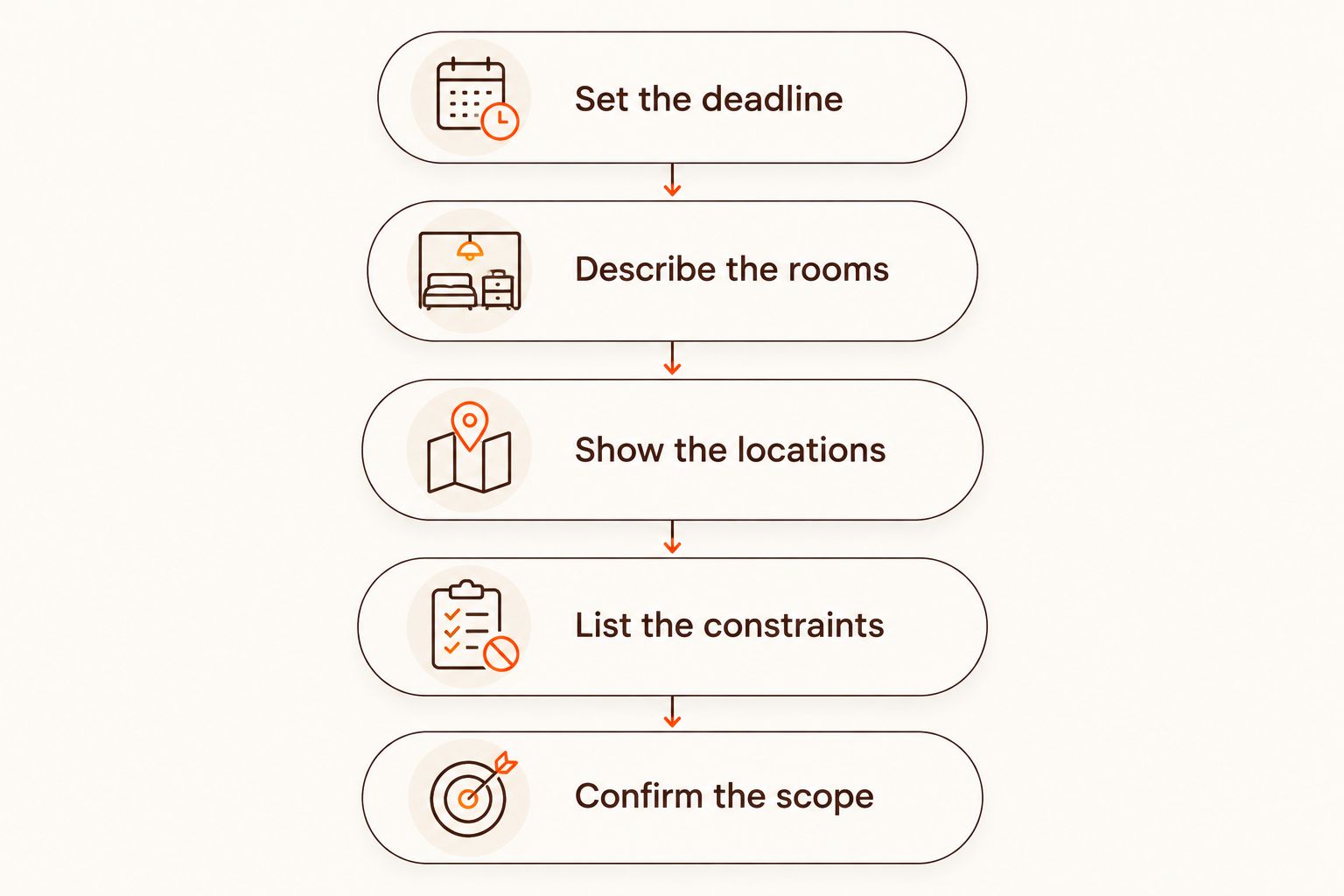
Work through these steps before posting:
- Set the deadline. State when you need the system working and whether that date is flexible. Explain any current heating or cooling failure.
- Describe the rooms. Include room dimensions in metres where you can measure them, how the rooms connect and which spaces matter most.
- Show the locations. Include at least 2 clear photos: the proposed indoor position and outdoor position. Add photos of an existing unit if you want it replaced.
- List the constraints. Mention stairs, restricted access, relevant strata requirements and uncertainty about drainage or electrical work.
- Confirm the scope. Ask each tradie to identify inclusions, exclusions and anything requiring a site assessment before the quote is final.
Keep the same brief for every tradie. If you change the proposed equipment location after receiving a quote, ask for the revised scope in writing rather than assuming the original proposal still applies.
Post your air conditioning job
Free to post, no connection fee, and quotes from up to three local tradies. You choose who to hire.
Post your jobCheck these details before accepting a quote
The month does not tell you whether a quote includes everything your installation needs. Read the proposed work line by line, especially where the quote refers to a standard installation.
- Equipment: Confirm the exact proposed system and which rooms it is intended to serve.
- Pipework and drainage: Ask what route is included and how condensate will drain.
- Electrical work: Confirm what is included, who completes it and whether further assessment is required.
- Removal: Check whether removing the old equipment and taking away installation waste are included.
- Completion: Ask about commissioning, operation instructions and any finishing work left to you.
- Changes: Agree how additional work will be explained and approved before it proceeds.
Check the appropriate credentials for the actual work. The Australian Refrigeration Council administers refrigerant handling licences and refrigerant trading authorisations; electrical licensing is handled through state and territory arrangements. Confirm the relevant current credentials rather than treating a marketplace listing as a substitute.
How the seasons were ranked
This 2026 ranking uses a planned cooling installation as its starting point. Autumn ranks first because it places the job earlier than spring before the next summer; spring ranks second because it still targets that approaching cooling season.
Winter and summer have distinct roles rather than being poor choices. Winter suits a current heating requirement, while summer suits an immediate cooling need. The ranking does not claim measured seasonal savings, booking times or contractor performance.
Which season should you choose?
Choose autumn for a planned cooling installation, spring for preparation before the approaching summer, and the current season when heating or cooling cannot wait. Your local conditions and the state of your existing system decide which case applies.
QuickQuote is best for homeowners who want air conditioning quotes from up to three local tradies and control over who they hire. Compare the written scope before making that choice, whatever month appears on the calendar.
FAQ
What's the best time of year to install air conditioning in Australia?
Autumn is the default choice for a planned cooling installation when there is no urgent need. Spring suits preparation for the approaching summer, while an immediate heating or cooling need takes priority over the season.
Is autumn cheaper than summer for air conditioning installation?
The season alone does not establish that an installation will be cheaper. Compare job-specific quotes covering the same equipment, pipework, drainage, electrical work and removal requirements.
Should I wait until winter to install reverse-cycle air conditioning?
Install in winter if you need reverse-cycle heating then, but do not wait solely because of the season. Ask the installer to assess both your heating and cooling needs.
Is spring too late to arrange air conditioning before summer?
Spring is a planning option, not a guaranteed completion window. State your preferred completion date and confirm the actual installation arrangements with your chosen tradie.
Does the same installation season suit northern and southern Australia?
No single seasonal rule suits every Australian home. Northern wet and dry seasons differ from the temperate four-season calendar, so use local conditions and your comfort deadline.
What should I include when posting an air conditioning job?
Include the rooms involved, your preferred completion date, photos of equipment locations and whether the job is a replacement. Explain access restrictions and ask tradies to identify electrical work, drainage and removal inclusions.
Does QuickQuote install the air conditioner?
QuickQuote is a quote-matching marketplace, not the installation contractor. Posting is free, there is no connection fee, and you can receive quotes from up to three local tradies; you choose who to hire.
One last thing
Photograph the proposed outdoor location as carefully as the indoor wall. Show surrounding space, access and the relationship to the indoor position. A preferred installation month cannot resolve an unclear equipment location; a useful photo gives the tradie something concrete to assess.
Related guides

Connecting homeowners with trusted local tradies. Made in Sydney.